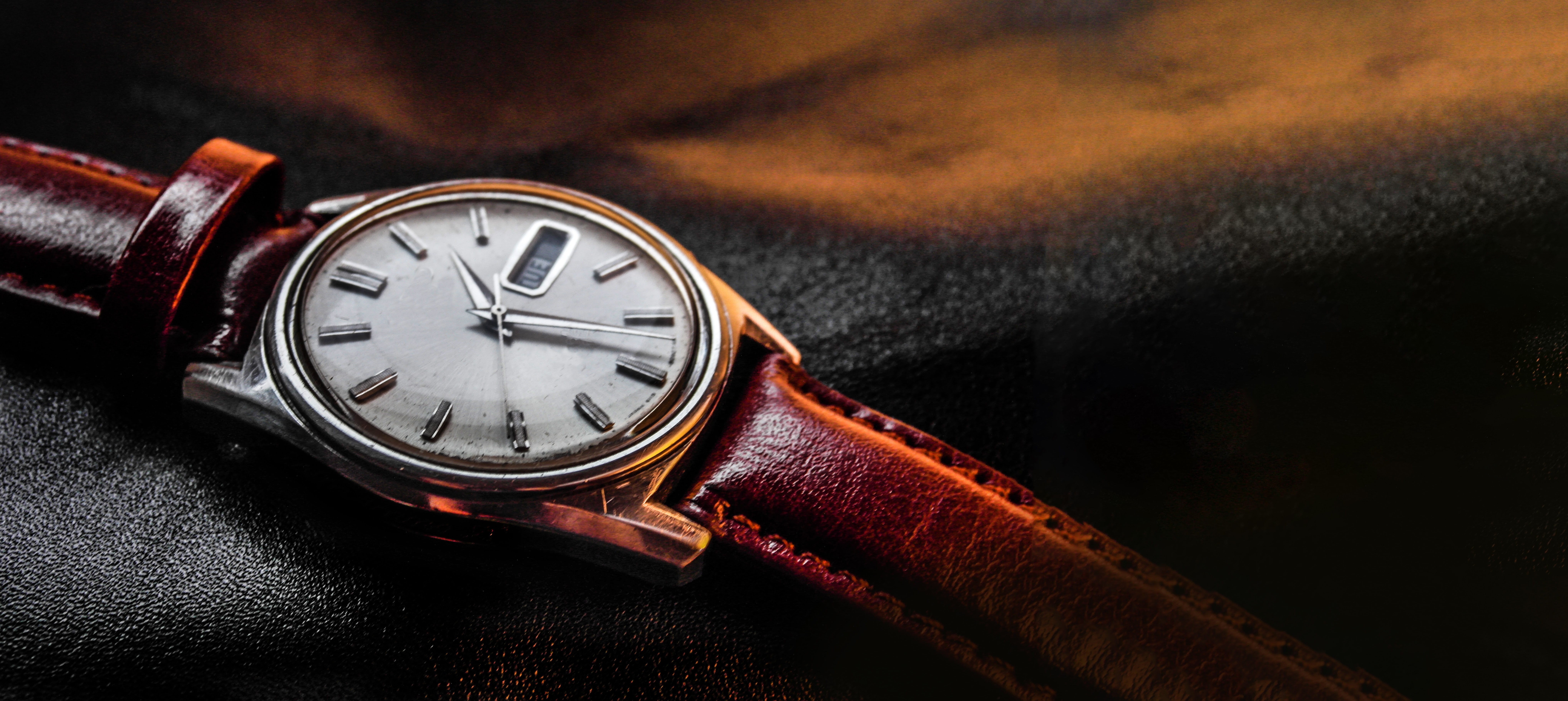
Over the last 30 years, vintage watches have gone from a niche hobby to an international market worth billions of pounds annually. Not all vintage watches are valuable, so it is essential to discover whether your watch is trash or treasure and the best way to realize its true worth.
1.) Find Out What You Have
Research is the first step in selling a vintage watch. If it is a family piece, ask about its history. If the watch is on its own, ask if anyone remembers a box or any paperwork. These can get separated during the watch’s life, and if the watch is sought-after, additional items such as packaging and warranty documents can add to this value significantly.
Make a note of any maker’s names, model names or numbers, and any other identifying features and then search online for comparable watches for sale or completed auction results.
Vintage watches are a complex subject. For collectable brands and models, tiny details can make a massive difference to what collectors may pay. If you discover that your watch has significant value, mainly if the values vary across a wide range, it is wise to seek expert assistance. Expert dealers such as Vintage Gold Watches assess hundreds of watches annually and are well-placed to identify rarities.
Remember that even if your watch is not a sought-after collectable, it may still have value represented by the precious metal of the case and bracelet. In this case, it may be best to sell to a bullion dealer who pays closer to the metal’s daily value than a watch dealer or auctioneer who acts as a go-between for the same bullion buyer.
2.) Choose Your Route
The decision as to whether to handle a sale yourself or involve an intermediary will depend on your level of confidence in your abilities to prepare, photograph and accurately describe your watch. You will also have to handle the sales payment and shipping aspects. Alternatively, you can sell your watch outright to a vintage watch dealer, sell it on consignment through a dealer or consign it with an auction house.
Each has its pros and cons, as listed below;
Sell to a dealer
Pros:
- No watch preparation is required
- No photography or description writing
Quick Payment
Cons:
- No element of competition for your watch
- Dealers may not be interested in buying your watch for stock
- Dealers will offer a lower purchase price to account for their operating costs
Sell via auction
Pros:
- The auction house will prepare, photograph, and describe your watch
- Buyers compete to win your watch, ensuring the actual market value
- Access to a broad audience of specialist collectors
- The auction house handles payment and shipping
Cons:
- No guarantee of a sale
- A long wait for the sale date and a further wait for payment.
- Significant commission fees and buyers’ premiums are deducted from the overall value of your watch, along with additional costs of photography and insurance.
- A low reserve price may attract interest, but your watch could sell for a disappointing value on a quiet sale day.
Sell via an online auction site or dedicated watch marketplace
Pros:
- The site will handle the payment aspects of the sale
- Wide audience
- Lower fees
Cons:
- You have to photograph and describe the watch yourself
- No guarantee of a sale
- You have to handle packaging and shipping
There is the potential for fraudulent activity on the buyer’s side
Sell via an online collectors’ forum
Pros:
- A focused audience of knowledgeable collectors for your watch brand
- Low fees, if any at all
- There is a level of vetting of buyers by the forum community
Cons:
- You have to have a certain level of interaction with the forum via posts and comments to sell
- You have to photograph and describe the watch yourself
- You have to field any questions and queries from other forum members
- Packaging and shipping will be your responsibility
- The transaction is open to fraud as most forums are anonymous
3.) To Service or Not to Service
Unless handing your watch straight to a dealer, you should clean the watch before sale. This is best done with a soft microfibre cloth and a wooden toothpick to get into the corners. Beware of getting any vintage watch wet, as even water-resistant models may have lost any protection they once had. Clean but do not polish. Buyers like to see watches in their original condition and to make up their minds about whether the watch should be polished at a later date.
Paying for a service is a balance between cost and benefit. If you sell to a dealer, they will service the watch after purchase, so you should not worry about this. If you are selling the watch yourself, a serviced watch may give buyers more confidence and achieve a better price, but you may not get the cost of the service back in the increased value.
4.) Brush up on Your Photography Skills
Without the watch, your photographs are the only way your buyer can see what is on offer. Your pictures must be clear, focused, and well-lit. Keep backgrounds plain and try to avoid reflections. You should work around the watch, including the dial, crown, case back and bracelet.
Ideally, you will need pictures of the movement and the inside of the case back. This may require specialist help removing the case back without damaging the watch. Ensure you include pictures of everything the watch comes with, including the box, warranty documents, receipts, swing tags etc. If this is beyond your abilities, consider an alternative selling route or employ a professional product photographer if the value is high enough.
5.) Write Your Listing Description
The description is a vital part of selling a vintage watch. It needs to be accurate and not misleading. Do not attempt to deceive buyers, as this will inevitably lead to the sale being refunded and may lead to legal action.
Focus on the condition of the watch, what it comes with, and it's functionality. If any provenance or history is associated with the watch, explain this clearly but stick to provable facts. Ensure you list the model numbers and names correctly so buyers can find you in a search.
6.) Set Your Price
Be realistic when setting your price, whether offering the watch to a dealer or selling it yourself. Look at comparable examples sold and consider whether yours is in better or worse condition. Remember that a listed price on a website does not mean a watch ever sold at that level. A lower price may have been negotiated, or the watch withdrawn from sale.
7.) Exercise Post-sale Caution
Once you have achieved a sale, your work is not necessarily over unless you have sold to a dealer. An auction sale may involve a long wait, hoping the top bidder follows through with payment. Any other sales method will involve packing and shipping the watch. Only send out the watch if payment has been made or the online platform confirms the funds are in escrow. Ensure that all shipping is fully insured, and for high-value items, it may be worth videoing yourself packaging the watch to prevent issues once the watch arrives with the buyer.
Selling a vintage watch is an involved process and far more complex than selling a contemporary model. Age and condition can add or remove value in ways only experts can judge. At first sight, it may seem that a dealer’s margin is a high cost to the seller, but once you understand how much the dealer does to prepare stock for sale and in the post-sale process, this margin becomes a more attractive price to pay.